Juega a los clásicos de emulador gratis en línea
Juega a los clásicos de emulador
The King of Fighters ’97
NES, SNES, GBA, PS1, N64, arcade… cientos de clásicos de tu infancia, con guardado rápido, soporte para controles y multijugador en línea.
Los juegos más populares
Elegidos a mano por nosotros
Los juegos de emulador más jugados
Ordenados por total de partidas

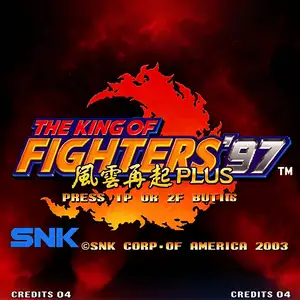
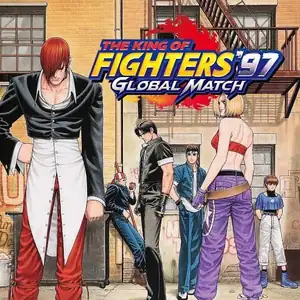
The King of Fighters ’97
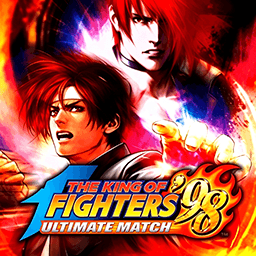
The King of Fighters ’97 is a classic arcade fighting game developed and published by SNK, released for Neo Geo arcade hardware in 1997. Serving as the grand finale of the iconic Orochi saga, this title is the most popular and widely-spread vintage fighting game in the KOF series, cherished by retro game fans around the world. The game concludes the complete Orochi storyline, focusing on the three sacred treasure holders Kyo Kusanagi, Iori Yagami and Chizuru Kagura. They unite to defeat the Orochi forces and seal the ancient evil Orochi, delivering a complete and immersive epic fighting story. It adopts the classic 3v3 team battle system, allowing players to select three fighters freely, customize the battle order, and win matches through skillful combos, precise defense and reasonable meter management. Two exclusive combat systems are available in this game, including ADVANCED Mode and EXTRA Mode, with independent energy charging rules and evasion mechanics to suit different playstyles. It features a massive classic roster with fan-favorite characters such as Kyo, Iori, Mai Shiranui and more. It also includes powerful secret characters like Orochi, Orochi Iori and Orochi Leona, greatly enriching the battle diversity. Compared with previous entries, KOF 97 simplifies command inputs, delivers smooth combo experience and responsive hit feedback, with fast-paced offensive and defensive rhythms. It supports casual play while retaining high-level competitive techniques such as infinite combos and clutch comebacks. With multiple game modes including story mode, versus mode and survivor mode, it can be easily played via arcade emulators. To this day, The King of Fighters ’97 remains a mainstream classic in offline arcades and online retro fighting platforms.

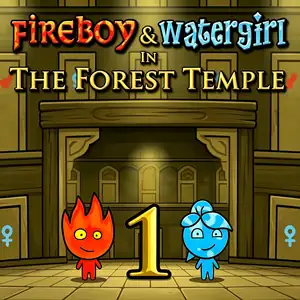
Fireboy & Watergirl in the Forest Temple
Fireboy & Watergirl: Forest Temple is a classic cooperative puzzle‑platform Flash browser game created by indie developer Oslo Albet, first released in November 2009. It became one of the most iconic two‑player web‑game hits, widely popular on flash‑game portals across the world. Set inside the mysterious Forest Temple, the game features Fireboy and Watergirl with opposite elemental traits. Fireboy survives lava but dies in water or green poison, while Watergirl is safe in water yet vulnerable to fire and lava. Players collect color‑coded gems, manipulate switches, platforms and environmental mechanisms, and guide both characters to their respective exit doors to finish each level. It supports dual playstyles: solo play where one player controls both heroes at once, or local two‑player co‑op for teamwork. The original Forest Temple contains 32 puzzle stages, followed by official sequels including Light Temple, Ice Temple and Crystal Temple, each introducing brand‑new puzzle mechanics. Originally built in Adobe Flash SWF format, the whole series was later ported to HTML5 after Flash end‑of‑life to preserve full gameplay. Thanks to easy‑to‑learn rules and well‑crafted level design, it remains a beloved retro flash‑game classic. Original SWF files can still be run with flash emulators today.

King Of Fighters 2002
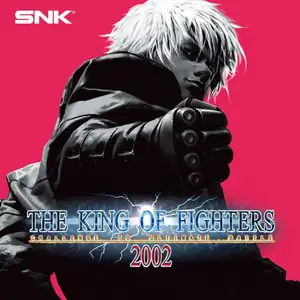
**The King of Fighters 2002: Challenge to Ultimate Battle**, developed by Eolith and published by SNK Playmore, originally launched for the Neo‑Geo arcade hardware in 2002. It is the ninth mainline entry in The King of Fighters franchise, widely regarded alongside KOF ’98 as one of the series’ finest fighting games. This title is a non‑story‑driven dream‑match compilation. It removes the Striker assist system featured in KOF 99‑2001 and brings back the classic 3‑on‑3 team battle format. Players assemble a three‑fighter team and set their battle order. Matches focus purely on mechanical skill, combo execution and meter management without mandatory story progression. Rugal Bernstein returns as the final boss. Major gameplay overhauls define this classic. The brand‑new **MAX Mode (BC burst)** consumes one power stock to enable free canceling across normal moves, special moves and supers, opening up massive combo possibilities. **MAX 2 Hidden Super Desperation Moves** are exclusive high‑damage finishers available when a fighter’s health drops below 25%, costing two power bars for spectacular cinematic attacksNeo-Geo.co.... Boasting a huge playable roster including classic fighters, alternate‑version characters and secret unlockable fighters, the game delivers polished balance and fast‑paced combat. It remains a staple for arcade emulators and offline fighting‑game tournaments. An enhanced remastered edition, **KOF 2002 Unlimited Match**, expands the character roster, remasters visuals and background music, and rebalances the entire cast for refined competitive playSteam.

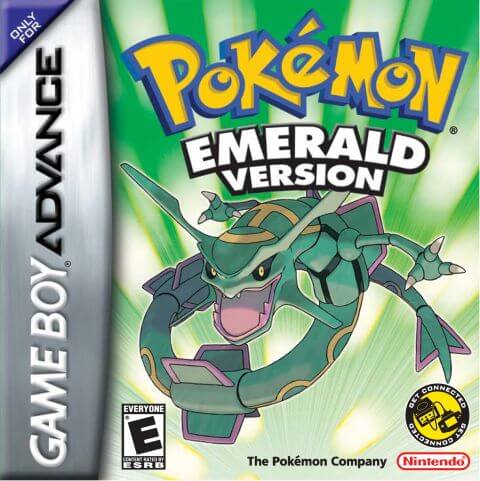
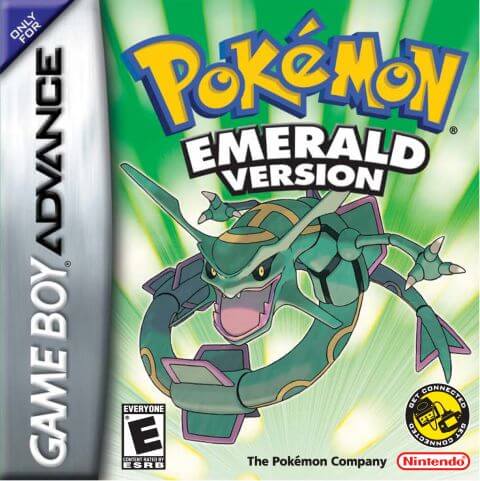
Pokémon Emerald
Pokémon Emerald
Pokémon Emerald, developed by Game Freak and published by Nintendo, is a classic role‑playing game for the GBA console. As the enhanced and integrated title of Pokémon Ruby and Pokémon Sapphire, it is the third‑generation main‑series Pokémon game officially released in 2004 and a nostalgic GBA classic for numerous players. Set across the diverse Hoenn region, the game casts players as a Pokémon trainer who embarks on a grand adventure from Littleroot Town. The main storyline features both Team Magma and Team Aqua. Centered on the ancient primal legends of Groudon and Kyogre, representing land and ocean respectively, Rayquaza, the sky‑dwelling legendary Pokémon, steps in to halt the crisis and completes the unfinished narrative from Ruby and Sapphire. Retaining core Pokémon‑series gameplay, players catch and train various Pokémon, travel through towns across Hoenn, collect badges by defeating eight Gym Leaders, and take on the Elite Four and Champion to complete the Pokédex. This title introduced landmark mechanics including double battles, Pokémon abilities and dynamic weather systems, greatly deepening strategic combat. After clearing the main story, the Battle Frontier with seven challenging facilities unlocks for end‑game content. Pokémon Contests also serve as relaxing alternative gameplay. Compared with Ruby and Sapphire, Emerald combines Pokémon available in both original games and adjusts legendary‑Pokémon acquisition methods, alongside refined cutscenes, iconic pixel graphics and memorable background music. The widely‑circulated Pokémon Emerald Version 386 hack allows players to catch all 386 Pokémon within a single playthrough, boosting collection‑oriented fun. To this day, it remains one of the most popular retro titles played via GBA emulators.

Super Mario Bros.
Super Mario Bros.
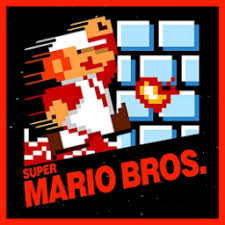
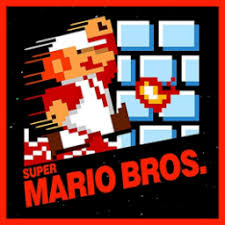
Super Mario Bros is a legendary side‑scrolling platform game developed by Nintendo and released for the NES console in 1985. Directed by Shigeru Miyamoto, it is the original title of the Super Mario franchise and one of the most influential retro video games in history, cherished by generations of 80s and 90s players. Set in the magical Mushroom Kingdom, the story tells of King Koopa’s invasion and the abduction of Princess Peach. Players take control of plumber Mario to rescue the princess. The two‑player mode lets Luigi join the adventure. The game features 8 worlds with 32 stages, covering overworld, underground, underwater and castle environments. Iconic power‑ups include Super Mushroom, Fire Flower and Starman. Super Mushroom enlarges Mario, Fire Flower grants fireball attacks, and Starman offers temporary invincibility. Players jump over Goombas, Koopas and other foes, explore hidden blocks and secret warp pipes, and reach the flagpole to clear each stage. Bowser serves as the boss at every castle level. This title set the benchmark for side‑scrolling platformers, with easy‑to‑learn controls and challenging level design alongside world‑famous background music. The original NES release contains well‑known glitches such as minus worlds and infinite lives tricks. Widely played on NES emulators without complicated installation, it remains one of the most popular vintage platform games for retro‑game fans.

Metal Slug 3
Metal Slug 3
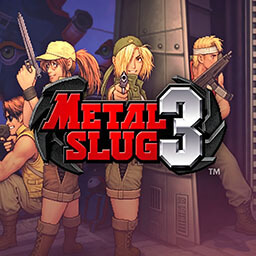
Metal Slug 3 is a classic horizontal scroll arcade shooting game launched by SNK in 2000, widely recognized as the peak masterpiece of the entire Metal Slug series. As a landmark arcade work in the pixel era, it features exquisite pixel graphics, gorgeous explosion special effects, rich level branches and innovative combat mechanisms, becoming one of the most popular and nostalgic retro shooting games for arcade players. Players can choose four classic Peregrine Falcon Strike Force characters to embark on thrilling combat missions across five main levels. The game’s storyline is fully upgraded, confronting rebel forces, mutated creatures, terrifying zombies and alien Martian troops. It even features a unique plot where protagonists and former enemies join forces to resist alien invasion, bringing an immersive and stunning gaming experience. As an innovative milestone of the series, Metal Slug 3 pioneered the multi-branch level system. The first four chapters have multiple independent routes with exclusive scenes, enemies and hidden easter eggs, greatly improving the game’s replay value. It retains a complete classic weapon system and adds new advanced weapons, matching hostage rescue and supply drop mechanisms to enrich strategic combat gameplay. The game is famous for its diverse interesting mechanisms and special transformation states, including zombie transformation and freezing debuff. The zombie form can release powerful area-clearing attacks with unique visual effects. It supports more than ten exclusive vehicles such as tanks, submarines, fighter jets, ostriches and elephants, covering sea, land and air combat modes. It also supports two-player online co-op mode, bringing wonderful interactive gaming fun. With progressive difficulty, epic boss battles and smooth combat feedback, Metal Slug 3 balances hardcore operation and casual entertainment. Fully playable on various arcade emulators with restored original picture quality and sound effects, it remains an essential classic retro arcade shooting game for vintage game enthusiasts.

WinDepth
WinDepth
WinDepth, also known as Submarine Battle, is a classic freeware arcade‑style action game developed by Japanese indie group Bio‑100%, released February 20, 1995 for Windows 95. It is a port of the PC‑98 title SuperDepth, and can be played under DOSBox Windows‑95 emulation for retro‑game collections. You control a destroyer warship moving horizontally on the sea surface, dropping depth‑charges to sink hostile submarines and underwater creatures. Depth charges fall with delay, requiring precise timing and prediction. Destroyed submarines can trigger chain explosions for huge combo score bonuses. Ammo is limited; each sunken submarine restores one depth‑charge. Enemies include multiple submarine variants laying mines and homing torpedoes, tentacle monsters, sea mutants and stage bosses. Hit special green targets to unlock air‑support bombing runs. Bonus stages let you wipe out whole submarine formations for massive points. Featuring 20 looping stages, mouse and keyboard controls, and built‑in high‑score leaderboard, WinDepth is a beloved lightweight retro arcade freeware from the Windows 95 era.

F1 Race
F1 Race
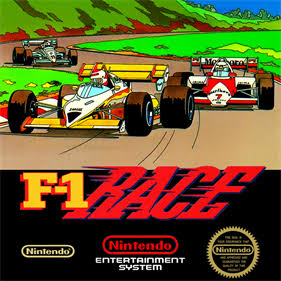
F1 Race is an early classic racing title developed by HAL Laboratory and published by Nintendo for the NES(Famicom) console, first released in 1984. It is a well‑remembered retro racing game for many 80s and 90s vintage‑game fans. Presented from a third‑person chase camera view, players control an F1 formula race car and compete in time‑limited races across multiple varied circuits. The core gameplay revolves between LOW and HIGH gear shifting. Players use high gear for straight‑way acceleration and switch to low gear on corners to avoid skidding. You must dodge rival race cars and roadside hazards on track. Completing one lap grants extra time, and the race ends once the timer runs out. Three selectable skill difficulties are available, each with five unique tracks featuring day, dusk and night environments. Challenges keep rising as you progress, demanding sharp reflexes and precise gear‑shift timing. The original NES cartridge contains a well‑known bug that blocks progression on certain stages, and bug‑fixed modified ROMs are widely circulated online. A Game Boy port was later released with multiplayer support. Up to now, F1 Race remains a popular retro racing game frequently played on NES emulators.

Raiden II
Raiden II
Raiden II is the 1993 arcade shoot‑em‑up sequel by Seibu Kaihatsu, continuing the alien‑invasion narrative of the original Raiden. A new purple locking plasma beam is added to the arsenal. Two bomb types are implemented: high‑power forward‑firing red bomb and defensive scatter yellow bomb, greatly expanding weapon‑combination tactics. There are 8 stages with new aquatic and high‑altitude combat zones and upgraded visual effects. The dual‑player combined beam from Raiden 1 is removed. Enemy AI and bullet layouts are refined alongside high‑quality background music, setting the weapon template for future Raiden entries. It received PlayStation and Windows ports. The arcade original runs perfectly in MAME emulators and serves as a vital middle chapter of the Raiden trilogy.

Rhythm Heaven
Rhythm Heaven
Rhythm Heaven (original Japanese GBA title: Rhythm Tengoku) is the debut work of the Rhythm Heaven franchise, developed by Nintendo R&D1 and released exclusively in Japan in 2006 for Game Boy Advance. It is the final first‑party title published by Nintendo for the GBA hardware, built by the same development team behind WarioWare. Rejecting traditional falling‑note rhythm‑game design, it focuses on audio‑driven rhythm perception. Packed with catchy soundtracks and absurd humorous mini‑game scenarios, it stands as one of the most innovative rhythm classics on GBA and spawned multiple sequels across Nintendo platforms. The game features 8 stage sets containing five unique rhythm challenges plus one remix level per set, totaling 48 distinct rhythm‑game stages. Scenarios range from beard‑plucking, mochi‑pounding, choir performances and animal dances to assembly‑line work and martial‑arts combat. Every stage delivers exclusive background music, animations and control logic. With minimal text dependency, it is highly playable even for players unfamiliar with Japanese language. Its groundbreaking core mechanic relies on audio rhythm cues rather than visual note charts. The vast majority of stages are playable using only the A‑button with taps, holds and rapid presses. It emphasizes inner musical sense instead of raw hand‑speed. Players receive performance ranks ranging from Fail to Perfect upon stage completion. Later stages introduce complex beats and hard‑mode remixed challenges, offering high replay value for players chasing perfect ratings. Clearing main story unlocks rich bonus content including virtual drum‑jam mode, rhythm sense test, music gallery and unlockable collectible toys. Cartridge save records stage rankings and unlocked extras. Boasting top‑tier GBA sound quality and goofy cartoon‑style pixel animations, the game delivers hilarious light‑hearted entertainment ideal for short casual play sessions. Though originally Japan‑only, fan translation patches are widely available. It runs smoothly on modern GBA emulators for PC and mobile devices. Breaking the conventions of classic rhythm games, Rhythm Tengoku remains an essential vintage gem for retro‑game fans and rhythm‑game enthusiasts worldwide.
Juegos retro por plataforma
De las portátiles a los arcades: elige la consola de tu infancia
Los juegos retro más nuevos en línea
Se actualiza cada semana
Jugar juntos
Juegos de cooperativo local y multijugador en línea: invita a un amigo a tu sala
Colecciones
Listas de juegos creadas por jugadores
Explora por género
Elige un estilo y empieza por los grandes éxitos
Preguntas frecuentes sobre juegos de emulador en línea
Precios, descargas, plataformas y partidas guardadas
¿Aún tienes dudas? Únete a nuestra comunidad de Discord o pásate por el blog para ver guías más detalladas.
No. Todos los juegos de 8BitGo son gratis en línea y puedes empezar sin registrarte. Si creas una cuenta, además puedes guardar juegos en favoritos y sincronizar tus partidas recientes.
No. Los emuladores se ejecutan directamente en tu navegador (con WebAssembly): solo abre la página de un juego y haz clic en "Empezar a jugar". Recomendamos la última versión de Chrome, Edge o Safari para obtener el mejor rendimiento.
Ahora mismo: PlayStation 1, Arcade, Nintendo 64, NES (Famicom), Super Nintendo (SNES), Nintendo DS, GBA, Game Boy, Game Boy Color, Sega Mega Drive, MS-DOS, WonderSwan, además de juegos Flash y juegos móviles Java. Seguimos agregando plataformas constantemente.
Sí. Todas las páginas están pensadas para teléfonos y tabletas, los botones en pantalla aparecen solos mientras juegas y también funcionan los controles Bluetooth. En horizontal se disfruta mucho más.
Entra en la página "Jugar ROMs locales", elige la plataforma correspondiente y suelta ahí tu archivo de ROM. Los archivos se leen en tu navegador y nunca se suben a ningún servidor.
Los emuladores te dejan guardar y cargar cuando quieras (guardado rápido) y, de forma predeterminada, todo se almacena en tu navegador. Si inicias sesión, puedes sincronizarlo con la nube y seguir donde lo dejaste en otro dispositivo.


.webp)
.webp)


.webp)