
Comprobando el requisito de edad de este juego…
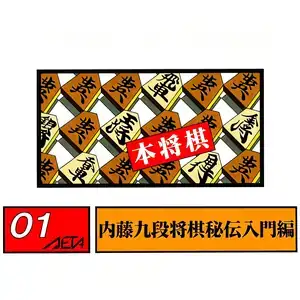
Honshogi: Naitou Kudan Shogi Hiden
Sobre este juego
Honshogi: Naitou Kudan Shogi Hiden (Japanese: 本将棋 内藤九段将棋秘伝) is a shogi board game developed by Random House and published by SETA, released for Famicom on August 10, 1985. It is the **first shogi title ever released on the Famicom**, supervised by famous professional 9-dan shogi player Kunio Naito, and was only released in Japan. It combines shogi tutorials and single-player matches against computer AI. It fully implements official shogi rules, most notably the drop rule: captured enemy pieces can be dropped back onto the board as your own pieces, the signature mechanic that separates shogi from chess and Chinese chess. Players can choose sente/gote (first or second move), time limits, and handicap games such as rook handicap and two-piece handicap, with a total of 12 different match configurations. Its famous feature is the "matta" undo system: repeatedly press the button to ask the computer to take back the last move, friendly for beginners. Multiple AI difficulty tiers are available for new learners and intermediate players. The clean board interface uses the D-pad to move the cursor and place pieces. This game only supports single-player vs computer, no local two-player mode. It includes basic lessons to teach piece movement and fundamental tactics. While its AI strength is relatively weak by modern standards, it holds landmark status as the first Famicom shogi program. Most Chinese retro gamers experienced it via emulators. It is a classic Japanese board puzzle game on Famicom.
- Año de lanzamiento
- 1985
- Desarrolladora
- Jugadores
- 2 jugadores
- Idiomas compatibles
- 简体中文 · English · 日本語
Preguntas frecuentes
- ¿Cómo puedo jugar a Honshogi: Naitou Kudan Shogi Hiden?
- Puedes jugar a Honshogi: Naitou Kudan Shogi Hiden en línea y gratis directamente en tu navegador en 8BitGo. No necesitas descargar nada ni instalar ningún emulador.
- ¿En qué plataforma es Honshogi: Naitou Kudan Shogi Hiden?
- 8BitGo clasifica esta versión como NES (Famicom). Esto describe cómo se ejecuta aquí y puede diferir de la plataforma de lanzamiento original. Puedes jugar directamente en el navegador.
- ¿Puedo guardar mi progreso en Honshogi: Naitou Kudan Shogi Hiden?
- La posibilidad de guardar depende de cómo se ejecute el juego. El guardado rápido y en la nube solo está disponible si la barra del reproductor muestra un control de guardado; si no, usa el guardado propio del juego.
- ¿Funciona Honshogi: Naitou Kudan Shogi Hiden en el móvil?
- Depende del juego. Consulta los controles de esta página: los juegos con botones en pantalla funcionan con tacto, mientras que los de teclado y ratón se disfrutan mejor en un ordenador.
Controles
Estas son las teclas predeterminadas. Haz clic en el icono de mando 🎮 de la barra del reproductor y luego en «Reasignar teclas» para abrir la configuración de controles del emulador (teclado y mando, se guarda automáticamente). Si conectas un mando, se detecta solo. En el teléfono aparecen botones en pantalla.
Cruceta
W S A D
A
K
B
J
Start
Enter
Select
Shift
Guardado rápido
F2
Carga rápida
F4
También te puede gustar
Misma plataforma, mismo género o de la misma desarrolladora
 NES
NESMahjong Trap
 NES
NESSuper Mario Bros.
Contra
 NES
NESSuper Mario Bros.3
 NES
NESF1 Race
 NES
NESTeenage Mutant Ninja Turtles III: The Manhattan Project
 NES
NESCircus Charlie
 NES
NES